
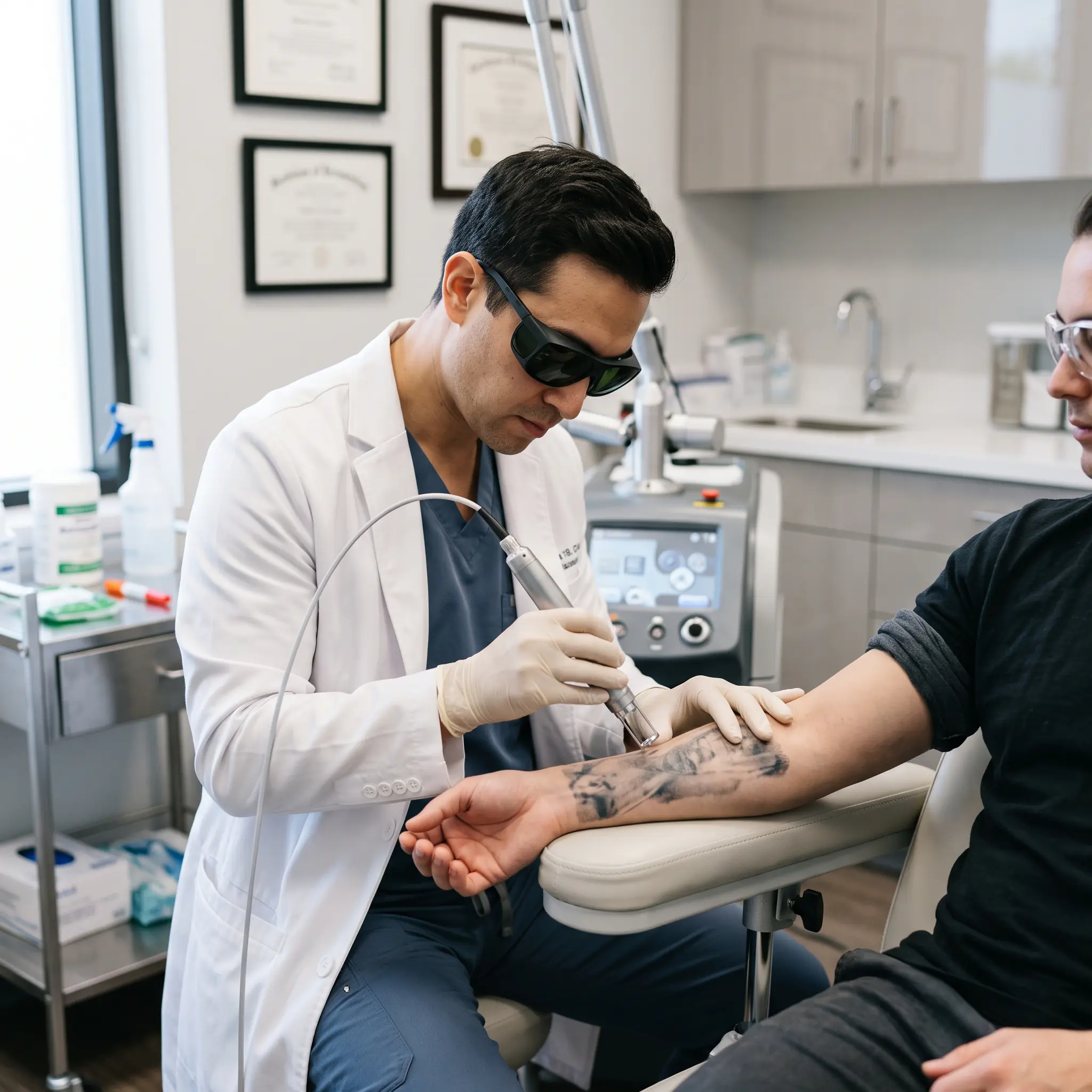
Wondering can tattoos be removed completely is an increasingly frequent dilemma for collectors coping with poor execution, shifting aesthetics, or placement regret. With advancements in dermatological lasers, the days of brutal surgical excision and destructive dermabrasion are long gone.
If you are asking can tattoos be removed completely, the honest medical answer is yes, in the vast majority of cases—provided you have realistic timelines, the correct laser technology, and patience. However, total 100% removal down to virgin skin depends heavily on pigment composition, skin tone, ink depth, and immune responsiveness.
Below, we examine how laser technology shatters ink, what factors influence full clearance, and answer the most common removal questions to help you make an informed decision.
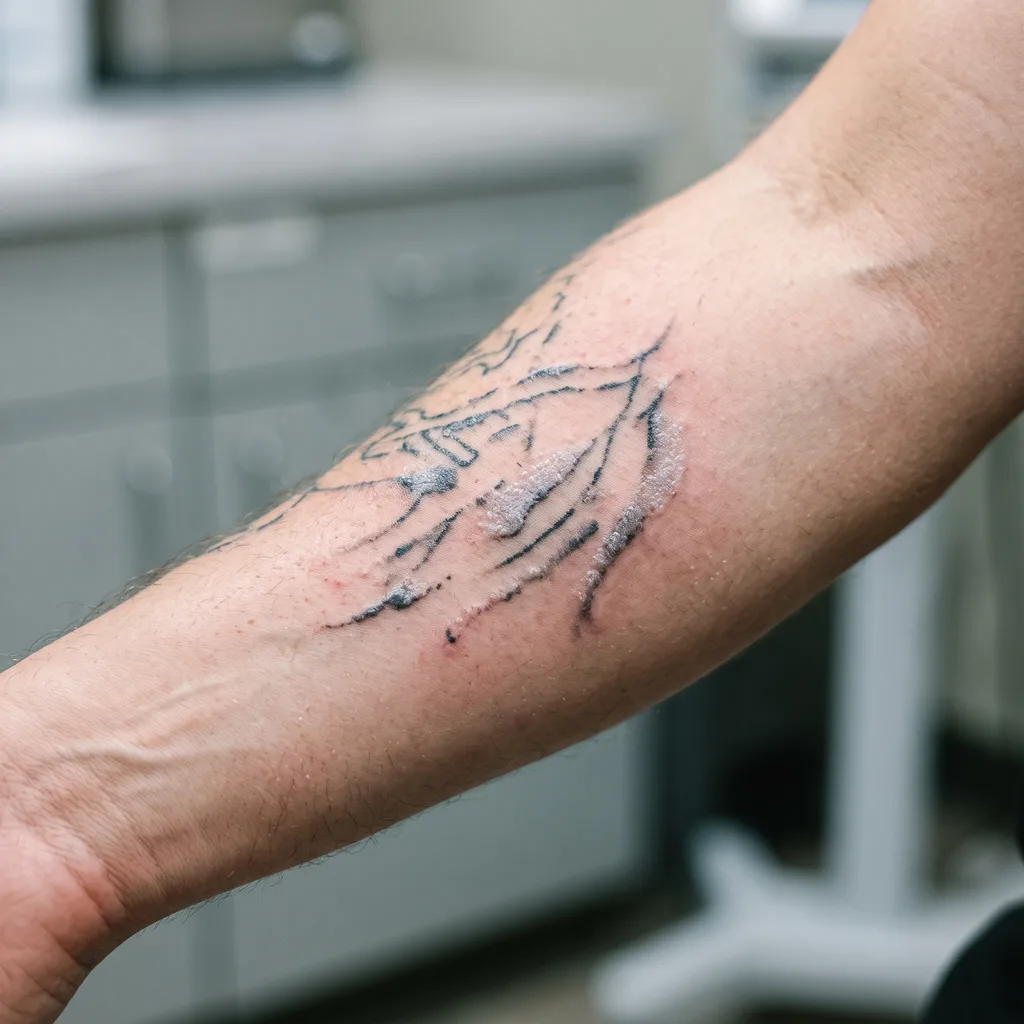
How Does Modern Laser Tattoo Removal Work?
Laser systems do not burn ink off the skin. Instead, they rely on a process called selective photothermolysis.
Specialized medical lasers—primarily Q-switched and ultrafast Picosecond lasers—emit concentrated light pulses in fractions of a second. The pigment particles trapped inside dermal macrophages absorb this optical energy, rapidly heat up, and shatter into microscopic fragments. Once broken down, your body’s lymphatic system gradually flushes the ink particles out through the liver and kidneys over several weeks.
What Determines If Can Tattoos Be Removed Completely?
When clinicians evaluate can tattoos be removed completely, they assess several anatomical and chemical variables:
1. Ink Color Spectrum
Black ink is by far the easiest pigment to eliminate because dark carbon absorbs all laser wavelengths efficiently. Conversely, light green, bright blue, teal, yellow, and pastel tones require targeted wavelengths (such as 532 nm or 755 nm) and significantly more treatment passes.
2. Ink Depth and Saturation
Professional tattoos feature dense, uniform pigment deposited deep into the dermis. Large, saturated blackwork—such as bold outlines seen in foo dog and dragon chest tattoos—requires far more sessions than faint amateur needlework or light shading washes.
3. Skin Tone (Fitzpatrick Scale)
Laser technicians must balance pigment removal with protecting your skin’s natural melanin. Darker skin tones require lower energy densities and longer spacing between sessions to avoid hypopigmentation (loss of natural skin color) or scarring.
4. Immune Function and Blood Circulation
Tattoos located close to the heart and neck clear significantly faster than ink on the hands, ankles, or feet. The extremities experience lower vascular flow, meaning your white blood cells take longer to transport fragmented ink particles away.
Can Tattoos Be Removed Completely: Common Questions Answered
1. How many sessions are required for full clearance?
Most amateur tattoos require 4 to 8 sessions, whereas dense, professional tattoos typically need 8 to 14 sessions spaced six to eight weeks apart. Complete removal is a marathon that often takes 12 to 24 months.
2. Does tattoo removal hurt more than getting tattooed?
Most patients report that laser pulses hurt more than initial needle application, often comparing the sensation to bacon grease popping against the skin or a tight rubber band snapping continuously. However, laser sessions are extremely fast; a palm-sized piece takes only 60 to 90 seconds of active laser exposure. If you are comparing sensations, review our guide on how much do tattoos hurt across sensitive body zones.
3. Do removal creams work as an alternative?
No. Over-the-counter fading creams and chemical peeling acids cannot penetrate into the deep dermis where ink resides. At best, they bleach surface skin cells; at worst, they cause severe chemical burns and permanent scarring.
4. Can you fade a tattoo just enough for a cover-up?
Yes. Many collectors do not need total removal. Undergoing 3 to 5 laser sessions lightens stubborn dark linework sufficiently, giving your tattoo artist the freedom to design custom artwork over it. For design inspiration, see how balanced contrast works in black and grey dragon and koi fish tattoos.
5. What is the difference between Q-switched and Pico lasers?
Q-switched lasers fire in nanoseconds (billionths of a second) and primarily use photothermal heat to crack pigment. Picosecond lasers fire in trillionths of a second, using photomechanical acoustic waves to pulverize ink into dust-sized particles, often requiring fewer sessions for stubborn color ink.
6. Will laser removal leave permanent scars?
When performed by a board-certified dermatologist or trained laser specialist using medical-grade devices, scarring is rare (under 2%). The main risk stems from aggressive post-session picking, popping blisters, or sun exposure. Clinical consensus from the American Academy of Dermatology emphasizes keeping treated areas clean and covered to preserve skin barrier integrity.
4 Rules to Maximize Ink Clearance Between Sessions
- Stay Well Hydrated: Drink plenty of water daily to maintain robust lymphatic flow, which accelerates how quickly macrophage cells carry away pulverized pigment.
- Exercise Regularly: Cardiovascular workouts enhance capillary blood circulation, speeding up ink clearance from deeper tissues.
- Avoid Smoking: Nicotine constricts blood vessels and dramatically hinders macrophage efficiency, reducing removal success rates by up to 70%.
- Follow Strict Post-Treatment Aftercare: Treat blistering and redness gently. Just as proper routine dictates how long do tattoos take to heal, keeping laser-treated skin hydrated with simple ointments prevents texture changes.
Frequently Asked Questions
Can white or flesh-colored ink be removed?
White ink and flesh-toned cosmetic pigments containing titanium dioxide or iron oxide can oxidize under laser light, permanently turning dark grey or black upon the first pass. Always inform your practitioner if your piece contains white highlights.
How much does complete tattoo removal cost?
Laser removal typically costs between $150 and $500 per session depending on surface area and geographic region. A multi-session protocol for a medium-to-large design can total $1,500 to $4,000.
Should I prepare for laser sessions the same way as a tattoo?
Yes. Arriving hydrated, well-fed, and sober stabilizes pain tolerance. You can consult our full preparation checklist on what should you do before getting a tattoo for foundational skin and physical health tips.
About The Author
