
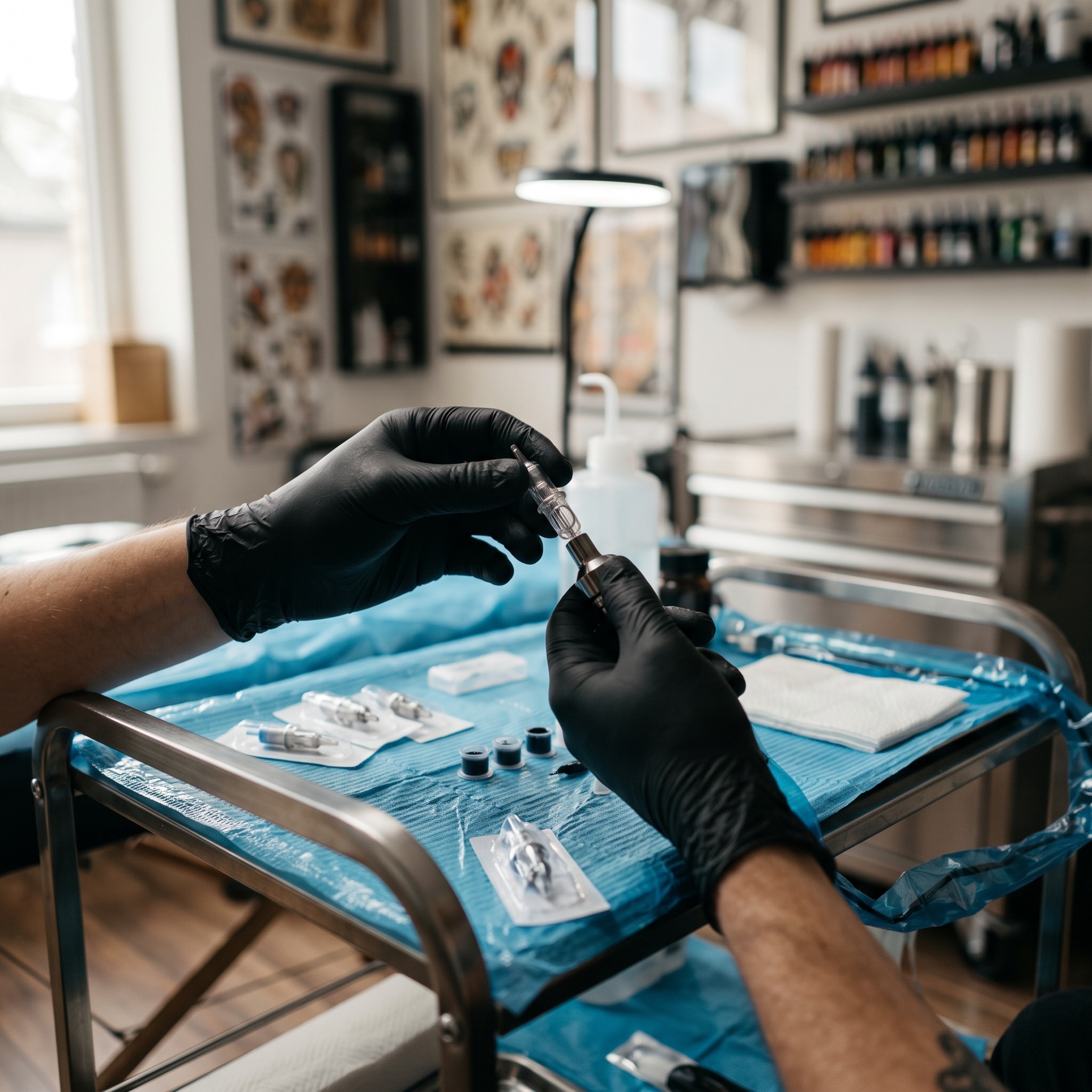
Asking are tattoos safe is the most responsible question any collector or first-timer can evaluate before sitting in an artist’s chair. Body art has transitioned from a fringe counterculture ritual into a mainstream artistic movement, accompanied by strict clinical sterilization standards, single-use disposable needles, and rigorously tested pigments.
If you are wondering are tattoos safe, the consensus among medical dermatologists is that getting tattooed is generally safe when performed by a licensed professional in a sterile environment following universal hygiene precautions. However, because tattooing deliberately breaches the epidermis to deposit pigment into the dermis, it carries inherent biological risks that require careful consideration.
Below, we address 12 vital questions regarding ink toxicity, bacterial pathogens, allergic reactions, and long-term health implications to give you total peace of mind.
1. What Are the Primary Health Risks of Getting a Tattoo?
When evaluating are tattoos safe, biological risks generally fall into three clinical categories:
- Microbial Infection: Introduction of bacteria (such as Staphylococcus aureus) or viral pathogens through contaminated equipment, unsterilized water, or improper healing.
- Allergic Reactions: Hypersensitivity to specific metallic salts or organic compounds within tattoo pigments.
- Granulomas and Keloids: Inflammatory nodules or raised, thickened scar tissue that forms around foreign pigment particles.
2. Are Tattoos Safe From Bloodborne Pathogens?
Yes, provided you visit an inspected, professional tattoo studio. Reputable artists adhere strictly to bloodborne pathogen protocols set by occupational health authorities.
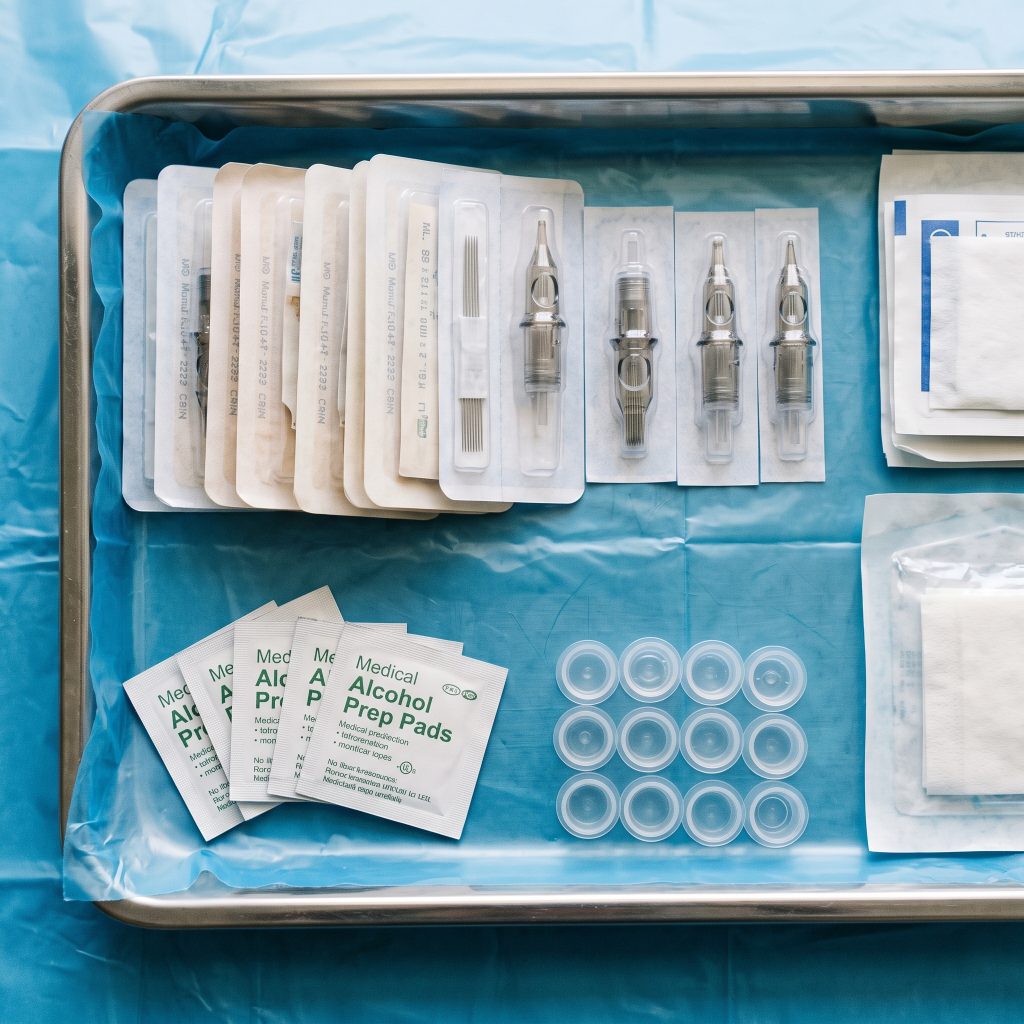
Every reputable artist uses pre-sterilized, single-use needle cartridges that are opened directly in front of you and discarded immediately into designated biohazard sharps containers. Autoclaves (medical steam sterilizers) are regularly tested with biological spore tests to guarantee complete pathogen elimination.
3. Can Tattoo Ink Cause Allergic Reactions?
While allergic reactions occur in less than 2% of collectors, they can happen. Reactions are most commonly triggered by red pigments, which historically contained cinnabar (mercuric sulfide) and now frequently utilize azo-based compounds or cadmium derivatives.
Allergic symptoms include persistent itching, swelling, or localized bumps that appear weeks, months, or even years after the tattoo settles. Conversely, black carbon pigments are biologically inert and rarely cause adverse allergic responses.
4. Are Modern Tattoo Inks Regulated for Toxicity?
Ink safety standards have improved dramatically. In Europe, the strict REACH (Registration, Evaluation, Authorisation, and Restriction of Chemicals) regulations banned thousands of hazardous substances, heavy metals, and carcinogenic aromatic amines from tattoo formulations.
In the United States, the Modernization of Cosmetics Regulation Act (MoCRA) granted the FDA expanded oversight over tattoo color additives and sterile manufacturing facilities. Professional artists exclusively use cosmetic-grade, non-toxic pigment blends formulated specifically for intradermal use.
5. What Studio Hygiene Standards Should I Look For?
To guarantee your visit remains completely hygienic, verify that the studio demonstrates the following clinical safeguards:
- Artists wash hands thoroughly and wear fresh, single-use nitrile gloves throughout the session.
- All work surfaces, clip cords, and power supply units are covered in disposable plastic barrier film.
- Ink caps, razors, paper towels, and tongue depressors are discarded after every client.
- The workspace is disinfected between appointments using hospital-grade bactericidal and virucidal surface cleaners.
If you want a step-by-step studio evaluation protocol, review our guide on what to know before getting your first tattoo.
6. How Can I Tell the Difference Between Normal Healing and Infection?
Because needle passes create controlled skin trauma, initial redness, swelling, and clear fluid discharge are expected. However, understanding are tattoos safe also means recognizing when healing goes wrong:
| Symptom | Normal Healing Process | Active Infection Warning |
| Swelling & Heat | Mild warmth, subsides within 48–72 hours | Expanding heat radiating across the limb after day 3 |
| Fluid Discharge | Clear lymph fluid mixed with spare ink for 24 hours | Thick, foul-smelling yellow or green purulent discharge |
| Pain Level | Mild sunburn sensation | Severe, throbbing, escalating pain |
| Systemic Signs | None | Chills, fever, or red streaks traveling along veins |
For a full day-by-day recovery breakdown, read our comprehensive overview on how long do tattoos take to heal.
7. Do Tattoos Increase the Risk of Skin Cancer?
No medical study has demonstrated a direct causal link between tattoo ink and melanoma or basal cell carcinomas. However, tattoos can create diagnostic challenges.
A large, dense blackwork tattoo placed over a pre-existing mole or lesion can obscure subtle changes in color, asymmetry, or border irregularity. Dermatologists strongly advise never tattooing directly over moles to ensure accurate cancer screenings.
8. Can You Get an MRI If You Have Tattoos?
In the vast majority of cases, undergoing magnetic resonance imaging (MRI) with tattoos is entirely safe. Rare complications arise primarily from old or low-quality iron-oxide pigments that interact with powerful magnetic fields, causing a mild tingling or temporary burning sensation.
If you require an MRI, notify the imaging technologist beforehand so they can place a cool compress over heavily tattooed skin.
9. Is Tattooing Safe Over Muscular and Bony Placements?
Yes, needle depth is meticulously calibrated to deposit pigment only 1.5 to 2 millimeters into the dermis, far above muscular fascia and bone. While structural safety is identical across anatomy, nerve density dictates physical comfort.
If you are planning an intricate Japanese design across sensitive bone, such as traditional foo dog and dragon chest tattoos, understanding how much do tattoos hurt across sensitive bone will help you manage session pacing.
10. Does Proper Physical Preparation Improve Tattoo Safety?
Physical readiness directly impacts clinical safety. Sitting for extensive sessions while dehydrated or malnourished destabilizes blood glucose levels, increasing the risk of vasovagal syncope (fainting) or dizziness.
For complete session readiness, follow our chronological checklist on what should you do before getting a tattoo to support your immune defenses.
11. Can Dangerous Tattoos Be Safely Removed Later?
If you develop an intractable chronic granuloma, severe ink intolerance, or simply experience aesthetic regret, laser dermatologists can shatter stubborn pigment safely.
Modern picosecond and Q-switched lasers break down dermal ink particles without damaging neighboring healthy skin cells. To understand clearance timelines and safety protocols, consult our detailed analysis on can tattoos be removed completely.
12. What Should You Do If You Suspect an Infection?
Never wait or attempt home remedies with hydrogen peroxide or rubbing alcohol, which cause severe dermal necrosis and pigment scarring.
If you exhibit spreading redness, extreme throbbing heat, or fever, seek immediate clinical evaluation from a physician. According to clinical consensus from the American Academy of Dermatology, prompt oral antibiotics resolve localized cutaneous bacterial infections quickly without damaging settled body art.
Summary: How to Ensure Your Tattoo Is 100% Safe
Ultimately, answering are tattoos safe comes down to studio diligence and disciplined aftercare:
- [ ] Select a licensed, inspected studio with verifiable clean practices.
- [ ] Ensure needles and ink caps are 100% single-use and opened in front of you.
- [ ] Confirm your artist uses compliant, professional-grade pigment lines.
- [ ] Avoid tattooing directly over existing skin moles or suspicious lesions.
- [ ] Wash twice daily with mild, unscented soap and apply micro-layers of moisturizer.
About The Author
